
Most Popular English Books in Pakistan
English books have a large and growing readership in Pakistan. Students read them for study and self-improvement. Young professionals read them on commutes and during quiet evenings. Book clubs discuss them, teachers recommend them, and friends pass them along with personal notes about which chapters stayed with them. This list brings together seven titles that are widely read, widely discussed, and often recommended to new English readers in Pakistan.
This is a modest, reader-focused list, not a ranking based on figures. It does not claim that these are the only English books worth reading. It offers a starting point. Each entry gives a brief original summary, explains in general terms why the book resonates with readers in Pakistan, and notes who it may suit best. If you are new to reading in English, start with one title that matches your interest, not with all seven at once.
If you also read Urdu fiction, you may enjoy pairing an English title with a familiar Urdu novel. Many readers move between both traditions. The Best Books collection can help you compare lists, while the complete list of Urdu novels offers a strong starting point for Urdu reading.
How This List Was Put Together
The seven books below come from different genres: self-development, contemporary fiction, classic fiction, and social fiction. They were chosen because they are frequently mentioned by readers, teachers, and book communities in Pakistan, and because they are accessible to readers who are still building confidence in English.
Some are short and direct. Some are longer and more reflective. Some focus on personal growth. Others focus on relationships, society, or moral choice. That variety matters, because readers have different tastes. A book that suits a student preparing for exams may not suit a reader who wants a slow, thoughtful novel for the weekend.
For each book, keep two questions in mind. First, does the theme interest you? Second, does the language level feel comfortable? If a book feels too dense on the first pages, set it aside and try a lighter title first. You can return to the harder book later. Reading should feel engaging, not like a test.
If you plan to order any of these titles, read the buy books online in Pakistan guide first. It explains how to check edition, delivery coverage, returns, and seller trust before you order, without naming sellers.
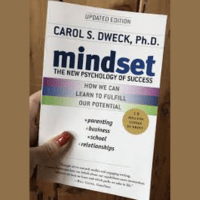
1. Mindset by Carol Dweck
Summary: Mindset explores how the way people think about ability shapes learning, effort, and response to failure. Dweck contrasts a fixed mindset, in which ability feels permanent, with a growth mindset, in which ability can develop through practice and feedback. The book uses research and everyday examples from school, work, sport, and relationships to show how these beliefs affect behaviour.
Why it is widely read in Pakistan: Many students and young professionals in Pakistan face exam pressure, competitive job markets, and high expectations from family and society. A book that reframes effort and failure as part of learning, rather than as proof of low ability, feels practical and encouraging in that context. Teachers, mentors, and study communities often mention it when discussing study habits, resilience, and long-term progress.
Who it suits: It suits students, teachers, parents, and early-career professionals who want a clear framework for learning and persistence. It also suits readers who prefer nonfiction with practical ideas over abstract theory. If you like books that give you a new way to think about your own habits, start here.
2. Forty Rules of Love by Elif Shafak
Summary: Forty Rules of Love follows two connected stories, one in the present and one in the past. In the present, a woman who reads manuscripts for a living encounters a novel about the poet Rumi and his companion Shams Tabrizi. In the past, the novel explores their friendship, spiritual questions, and the tension between rules and love.
Why it is widely read in Pakistan: The themes of faith, love, doubt, and spiritual search are familiar to many readers in Pakistan, and the historical setting invites reflection without feeling distant. Many readers find the parallel structure engaging, because it moves between a modern life and an older story about meaning and devotion. The book is often discussed in reading groups that enjoy fiction with spiritual and philosophical layers.
Who it suits: It suits readers who enjoy literary fiction, stories about faith and love, and novels that move slowly and invite reflection. It also suits readers who already enjoy Urdu fiction with spiritual or emotional themes and want a similar mood in English. If you like thoughtful novels that you can discuss with others, this is a strong choice.
3. It Ends With Us by Colleen Hoover
Summary: It Ends With Us follows Lily, a young woman who starts a new chapter in Boston and builds a relationship that at first feels hopeful. As the story develops, she must face difficult patterns from her past and make hard choices about her future. The novel focuses on love, family influence, and the courage needed to change a painful pattern.
Why it is widely read in Pakistan: The book is widely discussed on social media, in book clubs, and among young adult readers, which makes it easy to discover through friends and online communities. Its direct language and emotional focus make it accessible to readers who are still building fluency in English. Many readers say the book starts conversations about relationships, boundaries, and family expectations, topics that feel relevant across cultures.
Who it suits: It suits young adult readers and new English readers who want a contemporary, emotionally driven story with clear language. It also suits readers who enjoy romance with serious themes rather than light romance alone. If you want a book that is easy to start and hard to put down, this is a common first pick.
4. The Handmaid’s Tale by Margaret Atwood
Summary: The Handmaid’s Tale imagines a society where women lose rights and freedoms under a strict regime. The story is told by Offred, a woman assigned a restricted role in that society, who observes power, control, and quiet resistance. Through her voice, the novel explores how ordinary life can change when freedom is taken away step by step.
Why it is widely read in Pakistan: The novel is widely studied and discussed in literary circles, and its themes of power, gender, and control prompt strong debate. Many readers in Pakistan encounter it through university reading lists, book clubs, or adaptations that spark interest in the original book. Its clear first-person narration makes a serious theme easier to follow, even for readers who do not usually read dystopian fiction.
Who it suits: It suits readers who enjoy thought-provoking fiction, dystopian stories, and books that invite debate. It also suits students of literature, sociology, and politics who want a novel that connects to wider questions about society. If you like books that leave you thinking long after the last page, consider this one.
5. Gone Girl by Gillian Flynn
Summary: Gone Girl begins with the disappearance of Amy Dunne on her wedding anniversary, and follows her husband Nick as police and media attention grows. The story shifts between perspectives and reveals that neither narrator is fully reliable. The novel builds tension through marriage, memory, media pressure, and hidden motives.
Why it is widely read in Pakistan: Thrillers travel well across borders, and Gone Girl is often recommended to readers who want a fast, twist-filled novel. Many readers discover it through film discussion, then turn to the book for the fuller story and the shifting viewpoints. Its short chapters and direct style make it accessible to readers who want suspense without dense literary language.
Who it suits: It suits readers who enjoy thrillers, mysteries, and psychological suspense. It also suits readers who like plot-driven books with surprises and unreliable narrators. If you want a gripping weekend read that keeps you guessing, this is a fitting choice.
6. The Great Gatsby by F. Scott Fitzgerald
Summary: The Great Gatsby follows Nick Carraway, who moves to Long Island and becomes drawn into the world of Jay Gatsby, a wealthy man known for grand parties. Gatsby hopes to reconnect with Daisy Buchanan, a woman from his past. The novel explores wealth, longing, illusion, and the gap between appearance and reality in 1920s America.
Why it is widely read in Pakistan: The Great Gatsby is a classic that appears on many school and university reading lists, so many readers encounter it through study. Its short length, vivid scenes, and clear central story make it more approachable than many other classics. Readers often return to it because its themes of ambition, status, and unfulfilled desire feel relevant far beyond its original setting.
Who it suits: It suits students, classic-fiction readers, and anyone who wants a short classic before tackling longer ones. It also suits readers who enjoy elegant writing and stories about society and human longing. If you want to start with a classic that is widely discussed and relatively short, this is an excellent entry point.
7. Pakistan Affairs by Ikram Rabbani
Summary: Pakistan Affairs offers an overview of the history, politics, constitution, and key institutions connected to Pakistan. It is written as a study and reference resource for readers who want a structured account of major events and themes. The book is often used by students preparing for competitive exams and by readers who want a clear framework for understanding the country.
Why it is widely read in Pakistan: Many students in Pakistan prepare for competitive exams and university papers that require a solid understanding of national history and current affairs. A single structured reference can help them organise topics, revise key facts, and connect events in order. The book is also mentioned in study groups and academies, which keeps it visible to new batches of students each year.
Who it suits: It suits CSS aspirants, university students, and general readers who want a structured overview of Pakistan affairs. It also suits readers who prefer organised, exam-focused nonfiction over narrative history. If you are preparing for study or want a reliable reference for revision, this is a practical choice. The book is by M. Ikram Rabbani, published by Caravan Book House; editions are revised frequently, so confirm the latest edition before buying.
How to Choose Your First English Book
If you are unsure where to start, use interest as your first filter. Readers finish books they care about. If you enjoy personal growth, start with Mindset. If you enjoy spiritual or literary fiction, start with Forty Rules of Love. If you enjoy romance with serious themes, start with It Ends With Us. If you enjoy debate and dystopian fiction, start with The Handmaid’s Tale. If you enjoy suspense, start with Gone Girl. If you want a classic, start with The Great Gatsby. If you need study support, start with Pakistan Affairs.
Use language level as your second filter. Try the first few pages before you commit. If you can follow the story without stopping often to look up words, the level is right. If you stop on nearly every line, choose a lighter title first and return to the harder book later. There is no shame in building up gradually. Most confident English readers started with easier books and moved to harder ones over time.
Use length as your third filter. A short book that you finish builds confidence. A long book that you abandon can reduce motivation. For your first English book, a book you can finish in one or two weeks is often a better choice than a very long book that takes months.
Reading English Books Alongside Urdu Novels
Many readers in Pakistan read in both Urdu and English, and the two habits strengthen each other. Urdu novels often build emotional depth, cultural familiarity, and love for long stories. English books can build vocabulary, exposure to different narrative styles, and confidence in reading across cultures. Reading both keeps your habit fresh, because you can switch when one language feels tiring.
If you want to pair an English title with Urdu reading, start with guides that explain Urdu novels clearly. The Peer-e-Kamil novel guide and the Aab-e-Hayat novel guide offer overviews of two widely read novels by Umera Ahmed. For a different author and tone, the Namal novel guide explains a long, layered novel by Nimra Ahmed. You can also explore the authors section to compare writers and find your next Urdu novel after an English one.
A simple pattern works well for many readers. Read one English book, then one Urdu novel, then return to English. This rhythm keeps both languages active and prevents reading fatigue. It also helps you notice how different writers handle similar themes, such as love, faith, family, ambition, and justice, across languages and cultures.
Frequently Asked Questions
Which English book should I read first?
Choose by interest, not by popularity alone. If you want personal growth, start with Mindset. If you want a gripping story, start with Gone Girl or It Ends With Us. If you want a classic, start with The Great Gatsby. If you want study support, start with Pakistan Affairs. Pick one book, read the first few pages, and continue only if the language and theme feel engaging. Finishing one book matters more than starting five.
Are these books suitable for beginners?
Most of them are suitable for confident beginners, but difficulty varies. It Ends With Us and Gone Girl use direct language and fast plots, which many beginners find easier. Mindset uses clear nonfiction language with practical examples. The Great Gatsby is short but uses literary language that may need slower reading. The Handmaid’s Tale and Forty Rules of Love are more reflective and may suit readers who already read some English fiction. If you are a complete beginner, start with the lightest title on this list, then move to harder books gradually.
How long does it take to finish one of these books?
It depends on your reading speed, daily time, and the length and difficulty of the book. A short, engaging book may take a few days of steady reading. A longer or denser book may take two to four weeks. A useful approach is to read a fixed amount each day, such as a chapter or a set number of pages, rather than trying to finish in one sitting. Consistency matters more than speed, and a regular short session builds habit faster than an occasional long session.
Can I read these books if I mainly read Urdu novels?
Yes. Many readers in Pakistan move between Urdu and English, and your Urdu reading habit is an advantage, because you already know how to follow long stories, remember characters, and stay with a book. Start with an English title that matches a theme you already enjoy in Urdu, such as love, faith, family, or social change. If a passage feels hard, read it slowly, note new words, and continue. Your confidence will grow with each finished book.
Do I need to read these books in a specific order?
No. This list is not a sequence. Each book stands on its own. You can start with any title that matches your interest and language level. If you want a gentle progression, start with a contemporary, plot-driven book, then try a classic, then try a more reflective literary novel. The order matters less than choosing a book you will enjoy and finish.
Where can I find guidance on buying English books in Pakistan?
Use the same careful checks that apply to any online book order. Confirm the title, author, publisher, and edition before you pay. Check delivery coverage, returns policy, and seller trust. The guide to ordering books online in Pakistan explains each step in detail, including cash on delivery, payment options, and what to do if the wrong book arrives. It is a useful companion to this list if you plan to order any title.
Final Note
The best English book for you is the one you will finish and remember. Start with interest, check the language level, and give yourself permission to set aside a book that does not suit you right now. You can always return to it later. Reading in English is a skill that grows with steady practice, and each finished book makes the next one easier.
If you want to keep exploring, return to the Best Books section for more lists, or browse the all our novel guides for overviews of Urdu novels that pair well with English reading. A mixed reading habit, across languages and genres, is often the most enjoyable and lasting one.